Applications
One technology. Countless markets.
Lightweight, flexible, embeddable solar film opens markets that conventional panels can't reach — and changes the economics of those they can.
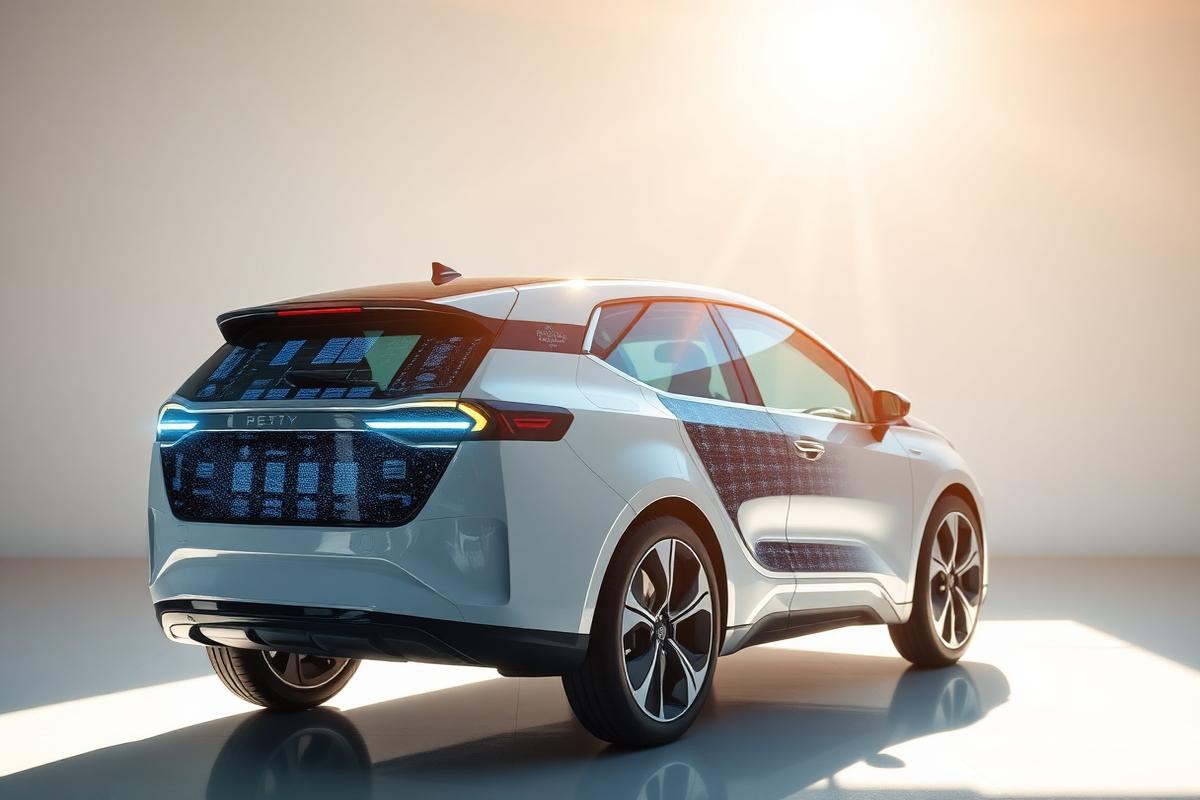
Vehicles & aircraft
+70 km/day on a single vehicle
Covering ~35 m² of vehicle surface (roof, sides, glass, undercarriage) adds ~10 km of range per hour of sun, enabling up to 70 km/day of free solar driving. Embedded in glass without blocking the view.
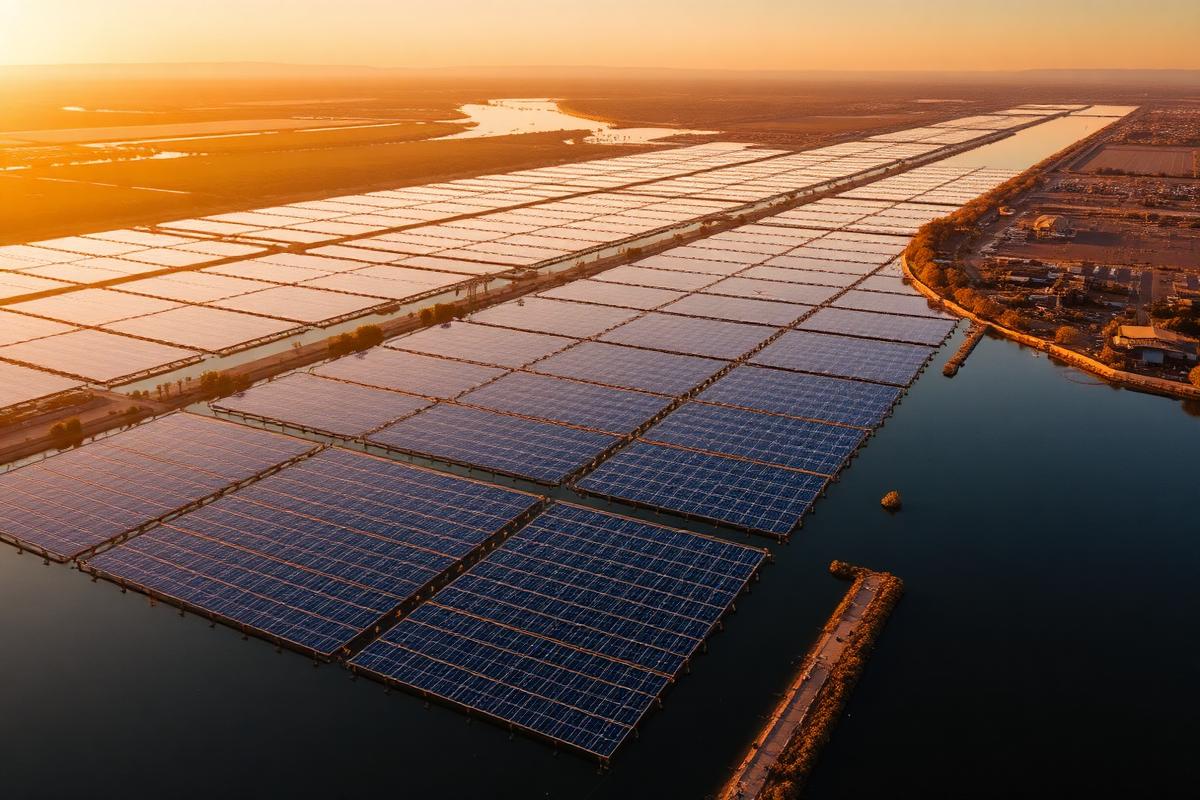
Floating PV
Cover lakes & reservoirs
Reduces 80–90% of evaporation while producing GW-scale energy. 5.8–7.3 GW deployed today, projected to 20 GW by 2030.
Glass integration
$18.46B → $93.72B by 2034
Embeds in any glass production for any application.
BIPV
$28.3–32.6B (2024–2026), double-digit CAGR
Building-integrated photovoltaics at scale.
Floating PV
$1–6B (2024–25) → $140B+ by 2030
Reduces 80–90% evaporation. 5.8–7.3 GW today, 20 GW projected by 2030.
Agri-PV
$4B → $15.4B (2024–25), 9–30% CAGR
Power and crops on the same land.
Wearables & sport
$124M (2024), 20% growth to 2030
Lightweight, flexible, integrable into fabric.
Solar roads
$0.36B (2025) → $0.45B (2026)
Easier to plant on roadways and on both sides.
Space solar
Open-ended
One-step process beats GaAs on cost and production speed.
Off-grid
60M+ users in Africa
Weightless, quiet install on any surface.

Cities
Street lighting, public spaces, roads and towers — net-zero by sundown.
Generate enough daytime power to offset full nighttime consumption.